Wool
I think about the book Wool and the Apple TV show Silo (based on the book series) almost daily. I’m definitely here for it! Both are well done.
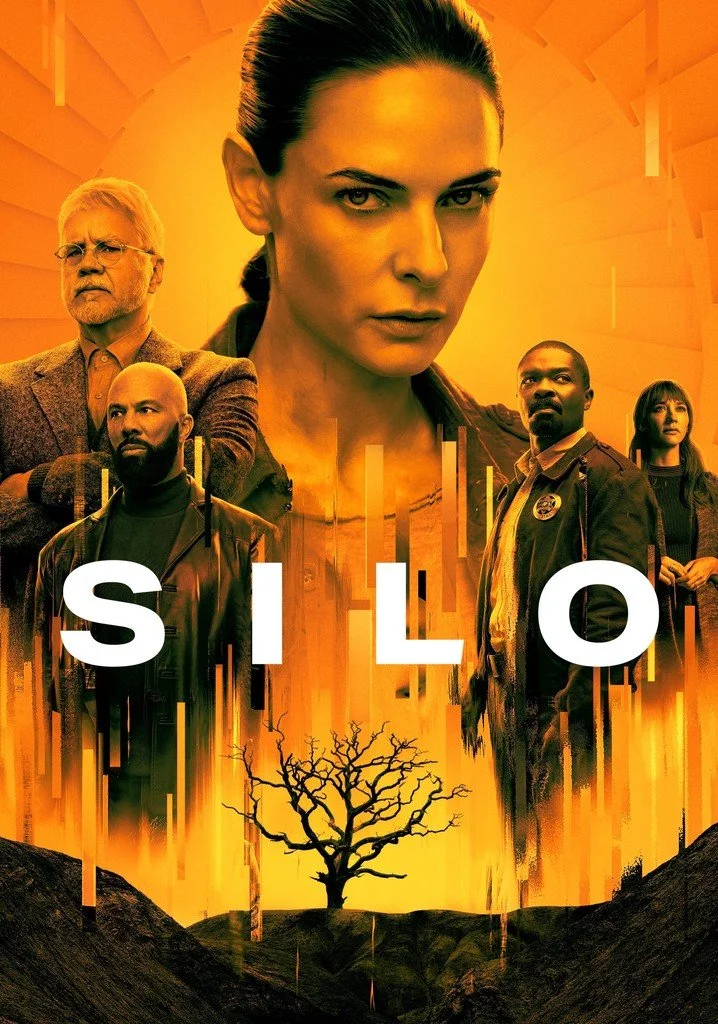
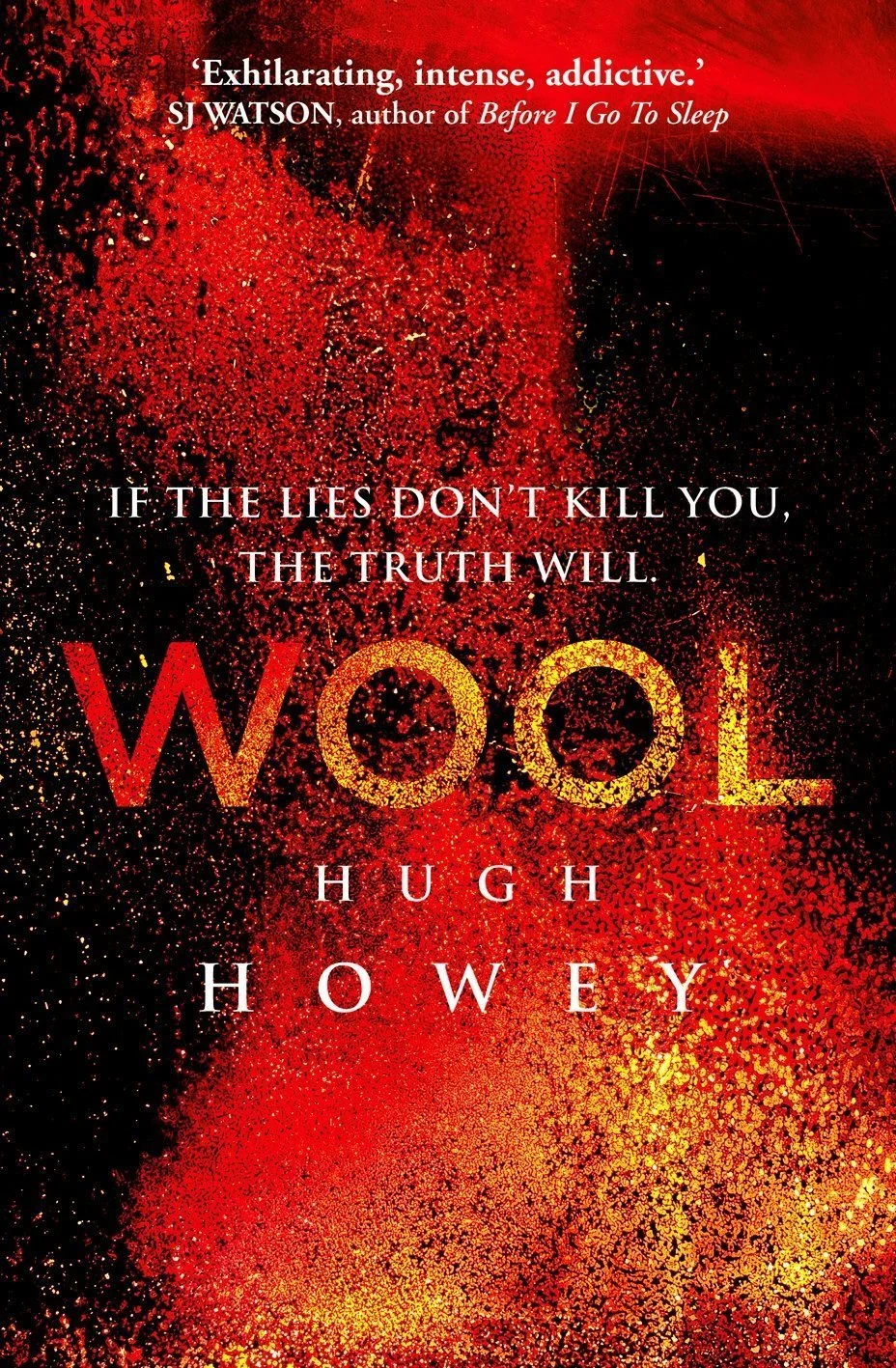
The core premise
Sometime in the future, roughly 10,000 people live underground in a silo built 144 levels deep. Something happened to the outside world and nobody inside knows why they ended up there. The story follows the people trying to survive within a rigid social order and at the same time trying to uncover the truth of why the silo exists.
The characters in brief
Juliette Nichols starts as a mechanic in the silo's lower levels before being pulled into the role of Sheriff, and becomes the story's main protagonist for questioning the rules in the silo. Around her are the people who keep the silo running, as well as IT who have the most control and power, and almost sit on top of the social order (this is funny, and scary at the same time in the tech-led world we seem to be building).
There is also an elected Mayor, a Judge, and a Security team who are trying to hold the whole fragile system together. Part of what makes the show work is that almost nobody is purely good or purely villainous. And everyone believes, to some extent, that they're protecting people for a better future.
At its core, it's an engrossing doomsday story centered on people, information control, and communities struggling together to answer the most important question: why are they there? The characters on the TV show are memorable and the acting is great. Like any good ensemble, sometimes you love them and sometimes you don't.
I've only read the first book and watched the show through the end of Season 3 (can't wait for Season 4), but the themes around control have stuck with me most.
Here’s your warning: spoilers ahead.
Themes around control
Control behavior with ingrained rules and hierarchy
At first, the rules the people living in the silo have to follow seemed odd, and somewhat random, to me.
They follow a set of rules that's almost a religion, including things like:
They must take the stairs to travel between floors as elevators are banned
Moving stuff, including messages between floors or people requires hiring porters, or using expensive (yet archaic) tech
"Advanced tech" like microscopes are banned, basically anything that helps you 'zoom' into things.
Every rule seems to keep people slow, tired, not looking at things closely, and to remain close to home.
A population that takes the stairs and waits days for messages doesn't organize, doesn't coordinate, doesn't rebel efficiently. It's control that becomes part of the culture.
Then there's the hierarchy baked into the silo's physical shape. 144 levels is basically a simple class diagram where the top means power and visibility and the bottom means labor and machinery. The sheer exhaustion of moving between them enforces separation almost automatically.
Control the past by controlling the archive and relics
Another rule: "relics," old items like candy containers and books, are closely regulated. The archive, which is the shared history of the people who built the silo and came before, is protected and actively not discussed or shared.
The question keeps going back to: is this to protect people, or is it a form of manipulation and control? Probably a bit of both.
The silo mirrors real institutions — governments, cults, even families — that withhold information "for your own good," or that make freedom-of-information requests nearly impossible, even though taxpayers fund the collection and storage of all that information in the first place. (One of my pet peeves with governments today!)
In the silo, only certain people get access to the past which are represented as records, relics, and memory itself. That's a strong parallel to how power actually works in the real world; control the archive and you control the truth.
Control the mind with drugs
If relics are external memory (the objects, books, artifacts), then the memory drugs are designed to destroy internal memory. The silo is trying to control both of these at once: what you're allowed to keep, and what you're allowed to know.
The memory drugs cut both ways. They're framed as mercy, easing the pain of trauma and loss, but they're also a way to exert control over people's minds when things fall apart.
The tension at the heart of the story emerges when Juliette and others resist the drugs, or when the drugs simply don't work as designed. People start remembering things they shouldn't...and then the tension builds as people in charge start losing their grip over everyone.
Even the drugs themselves are rationed by hierarchy. The Director of IT, for instance, gets to keep their memory intact in order to keep everything operational. Over and over, memory itself becomes another form of leverage and power.
Overall, both the book and show is a fascinating story of power, control, and people rebelling against the society they find themselves in. There are tons of parallels to our society too of course, and I love a story that makes me think long after I think I’ve finished with the story.